
What to Know Before Adding a Fire Pit to Your Backyard
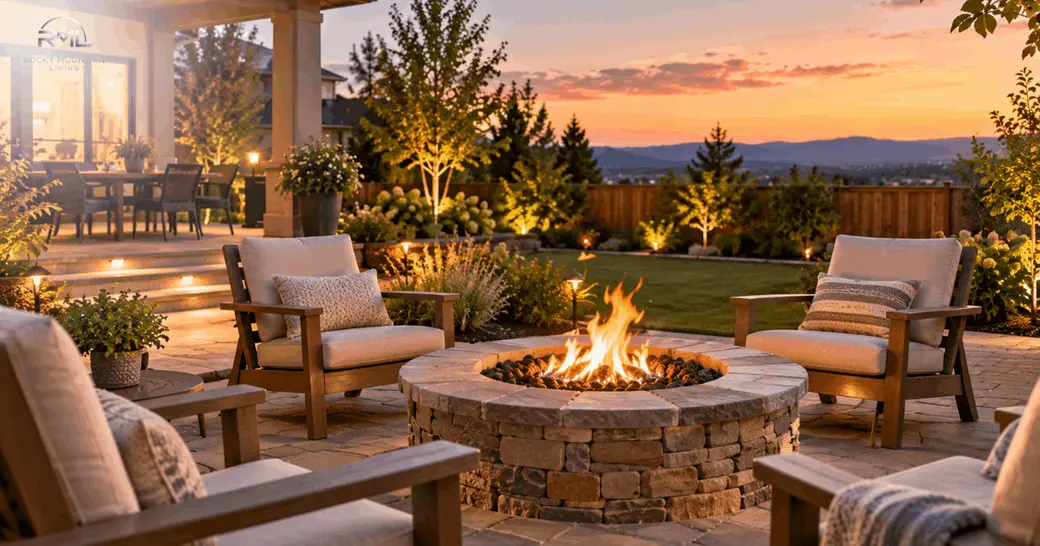
A backyard fire pit can turn an ordinary outdoor area into a comfortable place for gathering with family and friends, especially during cooler evenings when spending time outside might otherwise feel less appealing. It can create a natural gathering spot for conversations, casual entertaining, or simply enjoying a quiet evening without leaving home. However, adding a fire pit involves more than choosing an attractive design and finding an open space in the yard. Homeowners need to consider safety, available space, local regulations, fuel options, and the amount of maintenance they are willing to manage. The right fire pit should complement the existing outdoor layout while allowing people to move comfortably around the surrounding area. Placement is particularly important because nearby structures, landscaping, furniture, and overhead features can affect where a fire pit can be used safely. Budget also plays a role, since installation costs and ongoing expenses can vary depending on the type of fire pit and the materials involved. Taking time to understand these details before making a purchase can help prevent unnecessary changes or unexpected complications later. With thoughtful planning, a backyard fire pit can become a practical addition that makes your outdoor space more enjoyable without creating avoidable maintenance or safety concerns.
Before selecting a fire pit, consider how often you plan to use it and what kind of experience you want to create in your backyard. Wood-burning fire pits provide a traditional outdoor atmosphere with the sound and appearance of burning logs, but they also require appropriate fuel storage, ash removal, and careful management of smoke and embers. Gas fire pits offer a different experience, often allowing homeowners to start and control the flame more conveniently without handling firewood or cleaning up ash after every use. Propane models can provide flexibility in placement, while natural gas installations generally require a suitable gas connection and professional planning. Each option has different installation requirements, operating costs, and maintenance needs, so the most practical choice depends on your property and preferences. Size is another important consideration because a large permanent fire pit may overwhelm a smaller patio, while a compact portable model could be better suited to occasional gatherings. Think about the number of people you typically entertain and whether the surrounding area provides enough room for seating without placing guests too close to the heat. Materials such as stone, concrete, metal, and masonry can create different appearances, but they must also be appropriate for the temperatures and conditions involved. Choosing a fire pit based on actual use rather than appearance alone can help ensure it remains a comfortable and practical feature of your outdoor space.
Finding the right location is one of the most important steps when adding a backyard fire pit because even an attractive design can become inconvenient or unsafe when placed poorly. Start by reviewing applicable local fire regulations, permit requirements, burn restrictions, and any homeowners association rules that may affect the type of fire pit you can install. Required clearances can vary depending on the equipment, fuel source, local rules, and manufacturer instructions, so homeowners should not assume that one standard distance applies to every installation. A fire pit should be positioned away from combustible materials, including fences, vegetation, furniture, overhanging branches, and structures, according to the applicable safety requirements. Avoid placing a fire pit beneath covered patios, pergolas, or other overhead features unless the specific equipment and installation are approved for that setting. The surrounding surface also matters because some materials may crack, discolor, or become damaged when exposed to high temperatures, making proper heat protection essential. Wind direction and smoke movement deserve attention as well, particularly when neighboring homes, windows, or outdoor seating areas are nearby. If you are considering a permanent gas installation, working with qualified professionals can help ensure fuel connections, ventilation, and other installation details are handled correctly. Planning the location before purchasing materials can help you avoid expensive adjustments while creating a safer and more comfortable gathering area.
A fire pit becomes more enjoyable when the surrounding space is designed for comfort rather than simply accommodating the feature itself. Seating should allow guests to enjoy the warmth while maintaining the clearances required by the manufacturer and leaving enough room for people to move around safely. Consider arranging chairs so conversations feel natural without forcing anyone to sit directly in the path of smoke or excessive heat. Lighting around nearby walkways can also improve visibility during evening gatherings, particularly when guests are moving between the house and backyard. Before using the fire pit, make sure you have appropriate fire safety equipment available and understand how to shut down or extinguish the fire safely. Wood-burning models require careful ash handling, and ashes should be allowed to cool completely before being placed in a suitable metal container away from combustible materials. Gas models also need periodic inspection and maintenance according to manufacturer instructions, including attention to burners, hoses, fittings, and other components. Children and pets should always be supervised around an operating fire pit, and the fire should never be left unattended, even when the gathering is nearly finished. Establishing simple safety and maintenance routines from the beginning can help make outdoor gatherings more comfortable while reducing preventable risks.
Adding a backyard fire pit can be a worthwhile improvement when it suits your outdoor space, household needs, and maintenance preferences. The most successful installations begin with practical decisions about fuel type, size, location, and safety rather than focusing entirely on appearance. A fire pit should fit comfortably within the yard while leaving enough space for seating, movement, and other activities. Local regulations, manufacturer requirements, and proper installation methods should always guide decisions about placement and construction. Homeowners should also consider the ongoing responsibilities associated with their chosen model, including cleaning, fuel storage, inspections, and safe operation. A well-planned seating arrangement and appropriate lighting can make the surrounding area more inviting without requiring an elaborate backyard renovation. If you are making improvements before selling, remember that outdoor features appeal to buyers differently, and the cost of installation may not translate directly into a higher sale price. Focus on creating a space that works for your lifestyle and complements the rest of your property rather than adding features simply because they are popular. If you are considering backyard improvements or preparing your home for sale, a knowledgeable local real estate professional can help you think through which updates may make sense for your property and goals.
Recent Posts










Rocky Mountain Living
Phone