
What to Consider Before Adding Wallpaper to Your Home
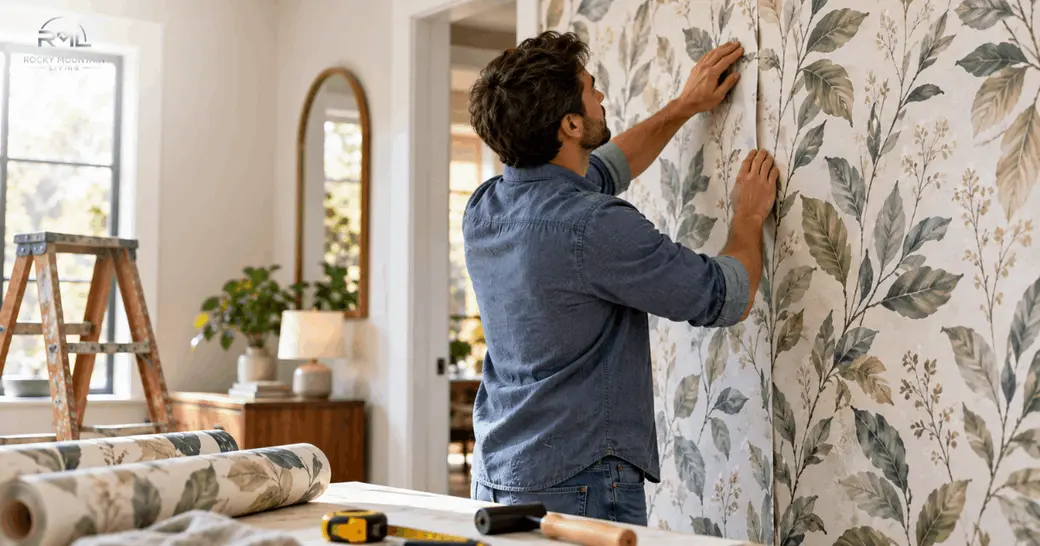
Wallpaper can bring color, pattern, and texture into a room in ways that paint alone may not achieve, making it an appealing option for homeowners who want to refresh their interiors. A subtle textured design can add warmth to a bedroom, while a more noticeable pattern might give a dining room, entryway, or powder room a distinct personality. However, choosing wallpaper involves more than finding a design that looks attractive in a photograph or sample book. The material, wall condition, room environment, installation method, and long-term maintenance requirements can all influence how well the finished result performs. Some wallpaper products are designed for traditional paste installation, while others use removable adhesive systems that may be more convenient for certain decorating projects. Each option comes with limitations, particularly when walls are uneven, surfaces have been painted recently, or the room experiences moisture and temperature changes. Homeowners should also think about how the pattern will look across an entire wall rather than judging it from a small sample. A design that appears subtle in a catalog can feel much more prominent once it covers a large portion of a room. Understanding these practical considerations before adding wallpaper to your home can help you choose a finish that suits both your personal style and the way you use the space.
The room where you plan to install wallpaper should influence the type of product you choose because different spaces place different demands on wall coverings. Bedrooms, living rooms, and dining areas often provide more flexibility, especially when the walls are relatively dry and protected from frequent splashes or direct moisture. Kitchens, bathrooms, and laundry areas may require more careful product selection because humidity, condensation, and cleaning needs can affect how wallpaper performs over time. Some washable or moisture-resistant products are better suited to these environments, but no wallpaper should be assumed appropriate for every wet or humid location. It is important to review manufacturer recommendations and avoid applying ordinary wallpaper where water exposure could damage the adhesive or wall surface. The amount of natural light a room receives can also influence your decision because certain colors and materials may fade or change appearance with prolonged sunlight exposure. Texture matters as well, particularly in areas where children, pets, furniture, or frequent activity may lead to scuffs and contact with the walls. Before purchasing, request samples when available and examine them in the actual room at different times of day to see how the colors and patterns respond to changing light. Choosing wallpaper according to the conditions of the room can help you avoid selecting a beautiful product that is difficult to maintain in its intended location.
Wallpaper products vary considerably, and understanding the basic differences can make the selection process less confusing. Traditional wallpaper may require adhesive to be applied to the paper or wall, depending on the product, and proper installation often involves careful measuring, cutting, and alignment. Peel-and-stick wallpaper typically has a pressure-sensitive adhesive backing, making it appealing for homeowners who want a different installation process or may wish to change the design later. However, removable does not always mean damage-free, since results depend on the wall finish, paint condition, adhesive, installation method, and length of time the product remains in place. Some products may not adhere well to heavily textured walls, while others can be difficult to remove from poorly prepared or delicate painted surfaces. Wall preparation is especially important because dirt, grease, peeling paint, moisture, and uneven surfaces can interfere with adhesion or create visible imperfections. Patterned wallpaper also requires careful planning to align repeated designs across adjacent strips, and this can increase the amount of material needed. If the wallpaper is expensive, heavily patterned, or being installed across a large or complicated surface, professional installation may be worth considering. Understanding the requirements before purchasing helps homeowners estimate the time, materials, and effort involved rather than discovering complications halfway through the project.
Wallpaper can make a room feel more personal, but it is worth considering how the design will fit with the furniture, flooring, lighting, and other finishes already in place. A bold pattern may work beautifully on one feature wall but feel overwhelming when repeated across every surface in a smaller room. Subtle patterns and textured finishes can provide visual interest without becoming the main focus of the entire space. Before committing to a large installation, consider placing a sample against existing furniture and observing whether the colors and scale complement the room. Maintenance is another practical concern because some wallpaper can be wiped clean, while other materials require more delicate care and may be difficult to repair if damaged. Homeowners should also think about how easily the product can be removed or replaced if their preferences change or a future renovation requires access to the wall. If you plan to sell in the near future, highly personalized wallpaper may not appeal to every buyer, although that does not mean you should avoid decorating your home according to your own preferences. A limited installation in a carefully chosen area can provide character while keeping future changes more manageable. The most practical wallpaper choice is one that balances appearance, durability, maintenance, and your willingness to live with the design over time.
Adding wallpaper to your home can be an effective way to introduce personality, texture, and visual interest without changing the structure of a room. The best results begin with choosing a product that suits the space and understanding how it needs to be installed and maintained. Room humidity, wall condition, lighting, material durability, and adhesive requirements all deserve attention before you commit to a particular design. Testing samples can help you evaluate color and pattern at a realistic scale, while careful measurements reduce the risk of purchasing too little material. It is also helpful to consider how wallpaper will work with the furniture and finishes you already own rather than treating it as a separate decorative feature. Some installations are manageable for homeowners with the right preparation, while more complicated projects may benefit from professional assistance. Remember that personal decorating choices do not need to appeal to everyone, especially when you plan to enjoy the home for years to come. Thoughtful planning allows you to create a space that reflects your style without overlooking practical considerations. If you are updating your home before selling, a knowledgeable local real estate professional can help you think through which cosmetic changes may be appropriate for your property and intended buyers.
Recent Posts







Rocky Mountain Living
Phone