
How to Test Your Home’s Safety Features
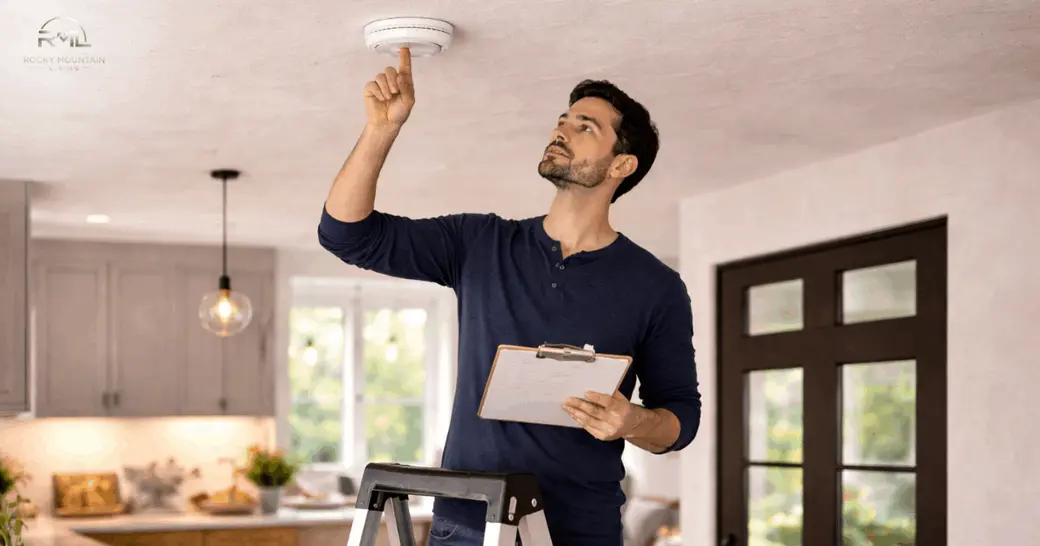
Testing your home’s safety features is an important step in maintaining a secure and comfortable living environment for everyone in the household. Many homeowners assume that installed systems are always working, but regular checks help prevent unexpected issues. Taking time to inspect these features ensures that they function properly when needed. Simple routines can make a big difference in keeping your home safe. Being consistent with these checks supports long term peace of mind and helps reduce avoidable risks over time. It also helps you become more familiar with how your home systems operate. This awareness can make it easier to respond quickly during emergencies. Even small checks can improve your confidence in your home’s safety. Regular attention builds a habit that becomes part of your routine. Over time, these habits create a safer and more reliable living space.
Start by checking smoke detectors and carbon monoxide alarms, as these are essential for early warning in emergency situations. Press the test button to confirm that the alarm sounds clearly and replace batteries if needed. It is also important to check fire extinguishers to ensure they are not expired and are easily accessible. Exit routes should remain clear and easy to navigate in case of emergencies. Practicing these steps regularly can help everyone in the household respond more confidently if something unexpected happens. You may also want to review emergency contact numbers and keep them visible. Teaching family members basic safety steps can also improve readiness. Checking these items does not take much time but provides strong benefits. These small actions can prevent confusion during stressful situations. Preparedness helps create a more secure home environment.
Home security systems should also be tested regularly to ensure sensors, cameras, and alarms are functioning as expected. Check door and window locks to confirm they close securely and show no signs of damage. Outdoor lighting should be inspected to make sure entry points are well lit during the night. It is also helpful to review how each system works so you can respond quickly if needed. These features help reduce risks and provide an added sense of security for daily living. You can also test alarm alerts to make sure notifications are received properly. Reviewing camera coverage helps ensure no areas are overlooked. Regular checks help maintain system reliability over time. It is easier to fix small issues early than deal with larger problems later. Consistent monitoring supports long term safety.
Creating a routine schedule for safety checks can help homeowners stay consistent and avoid overlooking important details. It may be helpful to set reminders to review safety features every few months or at the start of each season. Addressing small issues early can prevent larger problems later on. Staying proactive shows care for your home and the people living in it. Maintaining safety features reflects gratitude for having a secure place where you and your family can live with confidence. You can also keep a checklist to track completed inspections. This makes it easier to stay organized and consistent. Over time, these habits become part of normal home care. Regular reviews help maintain both safety and comfort. A well maintained home provides peace of mind for everyone.
Recent Posts




Rocky Mountain Living
Phone