
How to Make Your Home Easier to Manage With Pets
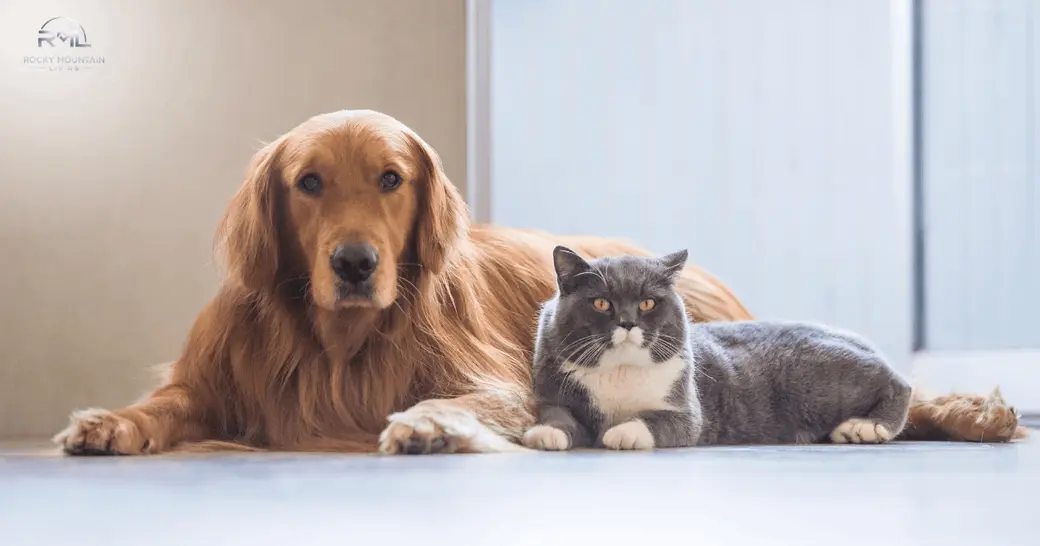
Sharing your home with pets brings companionship, entertainment, and plenty of memorable moments, but it also introduces a few everyday challenges that can make household maintenance more demanding. Pet hair collects on furniture, toys find their way into unexpected corners, and muddy paws can leave marks on floors that were cleaned only a few hours earlier. Food bowls, leashes, grooming supplies, and bedding also need dedicated spaces, especially when several pets share the same home. While these responsibilities are a normal part of pet ownership, managing them does not have to involve constant cleaning or complicated organization systems. Small changes to your home's layout, storage, materials, and daily routines can make a noticeable difference in how easily you maintain your living space. The goal is not to create a home that looks untouched by pets, but to establish an environment where people and animals can live comfortably together. Practical choices can also help protect furniture, flooring, and other household features from unnecessary wear. Understanding how to make your home easier to manage when you have pets starts with identifying the areas that create the most work and finding simple ways to address them. With thoughtful planning, you can spend less time dealing with household messes and more time enjoying life with your pets.
The materials and furniture arrangements in your home can influence how much time you spend cleaning up after your pets. Some flooring surfaces are easier to wipe clean than others, while certain carpets and rugs may trap hair, dirt, and odors that require more frequent maintenance. Hard flooring can be convenient for everyday cleaning, but the surface should also provide appropriate traction because very slippery floors can be uncomfortable or unsafe for some animals. Washable rugs and removable furniture covers can be useful in areas where pets regularly rest, particularly when shedding or occasional accidents are common. If your pets enjoy spending time on the sofa, choosing durable fabrics and keeping washable blankets nearby may help protect upholstery without requiring you to restrict their favorite resting places. Creating a designated area for pet beds, toys, and other belongings can also prevent these items from spreading throughout the house. This space does not need to be an entire room, since a quiet corner of the living room or another comfortable area may be sufficient. Consider your pet's size, mobility, and behavior when choosing a location, and make sure it provides enough room for resting without blocking walkways or household activities. When pets have comfortable spaces that fit naturally into your home's layout, maintaining order becomes easier for everyone.
Pet supplies can quickly take over cabinets, countertops, and entryways when they do not have convenient storage locations. Leashes, collars, waste bags, grooming tools, food containers, medications, and toys all serve different purposes, so keeping everything in one crowded drawer may not be the most practical solution. Start by grouping supplies according to how and where they are used throughout the day. Walking essentials can be stored near the door, while grooming tools may be more convenient in a bathroom, laundry area, or another suitable space. Pet food should be kept in appropriate containers and stored according to the manufacturer's instructions to maintain its quality and prevent access by pests. Cleaning products, medications, and other potentially harmful items should remain securely stored where pets cannot reach them. If your household has multiple animals, labeling food containers and organizing individual supplies can help prevent confusion during feeding and care routines. A basket for toys can make cleanup easier, although it is still important to inspect toys regularly and remove anything damaged or unsafe. Simple storage systems work best when they are easy to maintain and fit the way your household already cares for its pets.
Keeping a home clean with pets becomes more manageable when cleaning tasks are connected to activities that already happen throughout the day. Instead of waiting until hair, dirt, and odors become noticeable, consider addressing smaller messes as they occur. Wiping muddy paws after outdoor walks, cleaning food and water bowl areas, and removing loose hair from frequently used furniture can help prevent debris from spreading into other rooms. Regular vacuuming is useful in homes with shedding pets, particularly around furniture, rugs, and the places where animals spend most of their time. The appropriate cleaning frequency depends on the number of pets, their coats, household activity, and the types of surfaces in the home. Washing pet bedding according to its care instructions can also help control dirt and odors, especially when pets spend significant amounts of time outdoors. Grooming routines appropriate for your pet's species, breed, and coat type may reduce loose hair and help keep animals comfortable. Accidents should be cleaned promptly using products suitable for the affected surface and safe for use around pets when directions are followed. Consistent, manageable habits can reduce the need for lengthy cleaning sessions while keeping the home more comfortable for both people and animals.
Making your home easier to manage with pets does not mean eliminating every sign that animals live there or constantly trying to maintain perfectly clean rooms. It means creating practical systems that accommodate your pets' needs while making everyday household responsibilities more manageable. Durable materials, washable surfaces, organized supplies, and comfortable pet areas can help reduce unnecessary mess and protect frequently used spaces. Simple cleaning routines also make a difference, particularly when they address dirt, shedding, and odors before those problems become more difficult to manage. Every household will have different priorities depending on the type and number of pets, available space, and daily activities. A large dog that spends time outdoors may create different maintenance needs than an indoor cat or a smaller animal with a dedicated enclosure. Focus on the changes that address your household's most common challenges rather than purchasing products or making improvements that do not serve a clear purpose. A well-managed pet-friendly home should remain comfortable, functional, and welcoming for everyone who lives there. If you are considering moving to a home that better accommodates your pets, a knowledgeable local real estate professional can help you evaluate practical features such as flooring, outdoor space, storage, and layout.
Recent Posts






Rocky Mountain Living
Phone